
Minnesota Lawmakers Push for Hemp THC Ban Exemption
Congressional delegation seeks carve-out for states with existing cannabis regulations

2025-11-23 · 6 min read
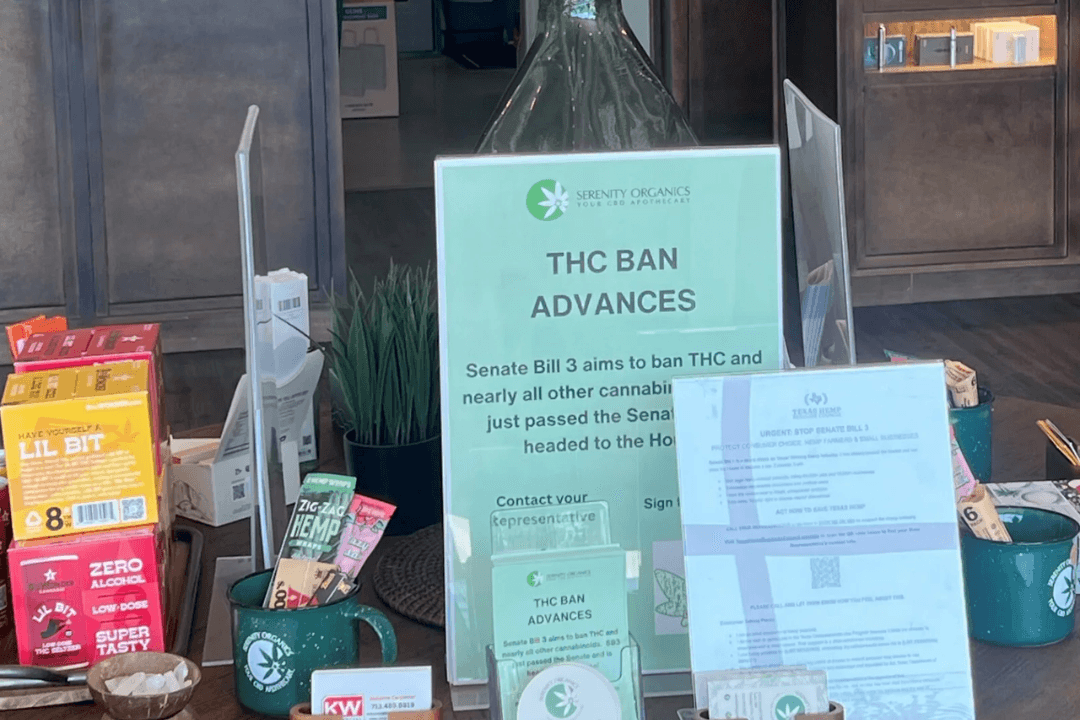
As the federal hemp THC ban signed by President Trump threatens to upend state-regulated cannabis markets, Minnesota lawmakers are mounting a resistance effort-seeking exemptions for states that have already built regulatory frameworks around hemp-derived products.
The Push for State Exemptions
Rep. Ilhan Omar (D-MN), co-chair of the Congressional Cannabis Caucus, is leading an effort to rally Minnesota's congressional delegation around a proposal to scale back the recently enacted federal ban.
"We're working to see if we can secure exemptions from the ban for states that have already rolled out their hemp policies," Omar told reporters this week.
The congresswoman's office has been gauging interest among Minnesota colleagues about signing a letter to the Trump administration outlining concerns with the hemp policy change and making the case for state autonomy on cannabis regulation.
Why Minnesota?
The federal ban hits Minnesota particularly hard. The state legalized hemp-derived THC beverages and established a comprehensive regulatory framework for such products before legalizing adult-use marijuana.
"So much of our economy is already absorbing the hemp industry, and it's just going to be a tragedy for the industries that already exist in states like Minnesota," Omar said.
The Opposition Responds
Rep. Andy Harris (R-MD), who championed the ban alongside Sen. Mitch McConnell (R-KY), isn't budging.
"Federal law supersedes state laws on scheduled substances," Harris told reporters. "We are going to limit an otherwise unregulated industry that sells intoxicants to children."
Harris dismissed concerns about the ban's economic impact as "desperate mistruths from an industry that stands to lose billions of dollars by selling intoxicants to children."
The Political Landscape
Omar's effort faces significant challenges but isn't without potential allies.
Building a Coalition
The congresswoman said she's starting with Minnesota's delegation "because if we can move them, we can try to build a broader coalition."
"The states that are impacted have to speak up before the advocates get involved," she explained.
She noted that many Democrats voted against killing Sen. Rand Paul's amendment that attempted to strike the hemp language, and there are "other Republicans on this side of the chamber, so we'll see if we can get movement in that regard."
The Attorney General Complication
The push for exemptions became more complicated when Minnesota's Democratic Attorney General Keith Ellison joined 38 other state and territory attorneys general in a letter supporting the hemp ban provisions.
Ellison later defended his decision, arguing that while he supports Minnesota's marijuana laws and "Minnesota's THC edible industry that follows state law," the federal hemp "loophole" puts the state at risk by allowing potentially non-compliant out-of-state products to enter Minnesota's market.
This position-supporting state regulation while backing federal restrictions-illustrates the complex politics surrounding hemp policy.
Alternative Approaches
While Omar works on securing exemptions, other lawmakers are pursuing different strategies:
The Mace Bill
Rep. Nancy Mace (R-SC) recently started circulating legislation that would strike the contested hemp provisions from the appropriations bill entirely.
However, some stakeholders worry this approach could backfire. They're hoping instead for bipartisan bills that would provide robust regulatory models for intoxicating hemp products as an alternative to blanket prohibition.
The Window of Opportunity
The ban doesn't take effect until late 2026, creating a roughly one-year window for legislative action.
Sen. Chris Van Hollen (D-MD) and others suggest this timeframe could provide an opportunity to advance legislation creating an alternative regulatory framework for consumable hemp products.
The Broader Implications
The Minnesota exemption effort raises fundamental questions about federalism and cannabis policy:
State vs. Federal Authority
If states have established regulatory frameworks for hemp products-complete with testing requirements, age restrictions, and licensing systems-should federal law override those state decisions?
Omar and her allies argue no. They contend that states should be empowered to set their own cannabis policies without federal interference, especially when they've already invested in building regulatory infrastructure.
Harris and ban supporters argue yes. They maintain that federal authority over scheduled substances is clear and necessary to prevent what they characterize as an unregulated industry from selling intoxicating products.
The Research Question
A leading veterans organization has warned that the blanket ban could "slam the door shut" on critical research into hemp-derived cannabinoids.
This concern highlights another dimension of the debate: whether prohibition-focused policy is compatible with scientific investigation into potential therapeutic applications.
What's at Stake
The federal hemp ban-which sets THC limits so low that many say it would effectively eliminate the industry-threatens multiple sectors:
Economic Impact
- The $28 billion annual U.S. hemp industry
- Hundreds of thousands of jobs
- State tax revenue from regulated hemp products
- Small businesses that have invested in compliance with state regulations
Consumer Access
- People using hemp-derived CBD for medical reasons
- Veterans and others who've found relief through hemp products
- Consumers in states without adult-use marijuana programs
Regulatory Investment
States like Minnesota that built comprehensive regulatory frameworks now face seeing that investment rendered moot by federal prohibition.
The Path Forward
Several outcomes remain possible:
Scenario 1: Exemptions Granted
If Omar and allies succeed, states with existing regulatory frameworks could continue operating under state law, creating a patchwork of hemp policies across the country.
Scenario 2: Compromise Legislation
Lawmakers could pass new legislation creating a federal regulatory framework for hemp products that preempts the ban while establishing national standards.
Scenario 3: Ban Stands
Without successful legislative intervention, the prohibition takes effect in late 2026, effectively eliminating most hemp-derived THC products nationwide.
Scenario 4: Enforcement Questions
Even if the ban stands, questions remain about how aggressively it would be enforced and whether states could continue regulating hemp products within their borders.
The Irony
There's a certain irony in the situation: Minnesota legalized hemp-derived THC products in part because federal law (the 2018 Farm Bill) appeared to allow them. The state built a regulatory system, businesses invested, and consumers came to rely on legal access.
Now, federal law is changing again-potentially pulling the rug out from under a state-regulated industry that emerged in response to previous federal policy.
What Happens Next
Omar's effort to build support for exemptions is just beginning. Success depends on:
- Rallying Minnesota's congressional delegation across party lines
- Building a broader coalition of affected states
- Making the case that state regulatory frameworks deserve federal respect
- Navigating the complex politics of cannabis policy in a divided Congress
Meanwhile, the clock is ticking. With the ban set to take effect in roughly a year, stakeholders have limited time to secure legislative changes.
For Minnesota's hemp industry-and similar industries in other states with regulatory frameworks-the coming months will determine whether state-level policy innovation can survive federal prohibition, or if the ban will erase years of regulatory work and business investment.
As Omar put it, the economic impact would be "a tragedy" for industries that have already integrated into state economies. Whether that tragedy can be averted depends on whether federal lawmakers are willing to respect state autonomy on cannabis policy-or if prohibition will once again trump local control.

About Elena Rodriguez
Senior Editor
Elena is a veteran cannabis journalist with over a decade of experience covering policy reform and industry trends. She previously wrote for High Times and Leafly.
Related Articles
Delaware's Cannabis Zoning Dilemma: Progress or Political Theater?
After the governor vetoed legislation to override local zoning restrictions, Sussex County has amended its rules for cannabis businesses-but the changes may be too limited to make a real difference.

The End of an Era: Federal Hemp THC Ban Reshapes the Industry
The U.S. Senate has passed legislation that will effectively ban most hemp-derived THC products by late 2026, marking a dramatic shift for an industry that employs hundreds of thousands.
Deception and Democracy: The Fight to End Cannabis in Massachusetts
A ballot initiative seeking to end Massachusetts' $1.6 billion cannabis industry faces accusations of using deceptive signature-gathering tactics-and there's little anyone can do about it.