
Deception and Democracy: The Fight to End Cannabis in Massachusetts
Allegations of misleading tactics cloud campaign to reverse legalization

2025-11-23 · 5 min read
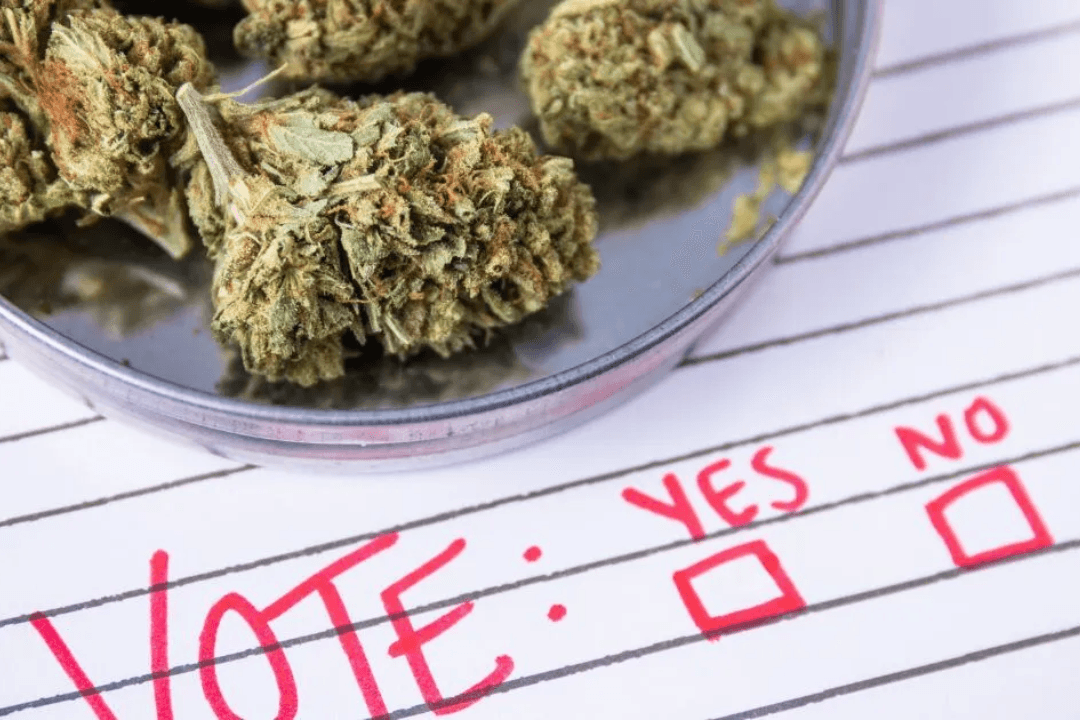
Democracy can be messy, especially when billions of dollars and deeply held beliefs collide. In Massachusetts, a campaign to reverse cannabis legalization is raising troubling questions about the line between persuasion and deception in the political process.
The Campaign to Turn Back Time
The "Act to Restore Sensible Marijuana Policy" seeks to do something unprecedented: end legal adult-use cannabis sales in a state where they've been operating since 2016. If the initiative qualifies for the 2026 ballot and wins majority support, Massachusetts' $1.6 billion annual cannabis industry would effectively cease to exist. Medical cannabis would remain legal, but recreational sales would be outlawed.
To get there, organizers need 75,000 valid signatures by December 3rd. They're aiming for 100,000 to ensure they have enough after invalid signatures are removed.
The Allegations
Multiple reports suggest some signature gatherers are using questionable tactics to meet their quota. Josh Wallis, a Boston-area tattoo artist, encountered one such gatherer outside a Medford supermarket in late October.
According to Wallis, the signature gatherer claimed the petition would "take fentanyl off our streets"-a statement that has nothing to do with the actual purpose of the initiative. When Wallis realized what was happening, he filed complaints with local law enforcement and the state Election Division.
The response he received was illuminating: signature gathering is "a protected free speech activity subject only to reasonable time, place, and manner restrictions." In other words, even misleading statements are constitutionally protected.
Campaign Response
Wendy Wakeman, spokesperson for the recriminalization campaign, distanced the organization from these tactics. She acknowledged the campaign uses paid signature gatherers but claimed those using deceptive language are volunteers unaffiliated with the official effort.
"The committee does not support misrepresenting the petition in any way at all," Wakeman told reporters. "People are trained in what the petition is asking, and the training does not include hyperbolic bloviating."
The Legal Reality
While such tactics may seem unethical, they're surprisingly common-and largely legal. Elections law experts point to similar allegations in ballot campaigns across the country, from abortion rights initiatives in Nebraska to various other contentious issues.
A 2015 Massachusetts Supreme Court case struck down portions of state law that criminalized false statements about political candidates, establishing broad protections for political speech, even when misleading.
"Across states, we've seen bad actors attempt to confuse voters-to get them to sign petitions or vote a certain way," explained Emma Sharkey, a partner at the Elias Law Group. "In my view, these actors engage in these deceptive tactics because they know they cannot win on the policy."
The Money Question
The allegations raise a more fundamental question: who's funding this effort?
Paid signature gatherers don't come cheap. Industry data suggests the average cost per required signature in recent election cycles hovers around $13. With the need for 75,000+ valid signatures, the campaign could easily cost millions.
Wakeman declined to identify funding sources or supporting organizations. Campaign finance disclosure forms won't be available until January 2026, leaving the public in the dark about who's bankrolling the effort to end legal cannabis in Massachusetts.
The Uphill Battle
Even if the campaign qualifies for the ballot, it faces significant headwinds. Cannabis legalization has only grown more popular since Massachusetts voters approved it in 2016 with 56% support.
A 2024 MassInc survey found 65% of registered voters now support legalization-a nine-point increase from the original referendum.
Industry Response
Cannabis business advocates aren't taking the threat lightly. David O'Brien, president and CEO of the Massachusetts Cannabis Business Association, called the alleged tactics "voter fraud that people should report to their local town hall."
Voters who believe they were misled into signing can inform local authorities, potentially invalidating those signatures.
O'Brien also challenged Wakeman and the campaign to take more responsibility: "Whether they're paid or volunteer, she has the responsibility to tell them, publicly, to stop lying to voters."
What's Really at Stake
Beyond the immediate question of cannabis legalization, this campaign raises broader concerns about the integrity of the ballot initiative process. If signature gatherers can say virtually anything to collect signatures-with constitutional protection-what does that mean for informed democratic participation?
The Massachusetts situation serves as a reminder that while free speech is fundamental to democracy, it can also be weaponized in ways that undermine the very democratic processes it's meant to protect.
Looking Ahead
As the December 3rd deadline approaches, all eyes are on whether the campaign will gather enough signatures to qualify for the ballot. If it does, Massachusetts voters will face a choice that could reshape the state's cannabis landscape.
But regardless of the outcome, the allegations of deceptive tactics have already left their mark, raising questions that extend far beyond cannabis policy to the heart of how we conduct democratic decision-making in America.

About Marcus Chen
Culture Writer
Marcus explores the intersection of cannabis, art, and music. His work highlights the creative communities shaping the modern cannabis landscape.
Related Articles
Delaware's Cannabis Zoning Dilemma: Progress or Political Theater?
After the governor vetoed legislation to override local zoning restrictions, Sussex County has amended its rules for cannabis businesses-but the changes may be too limited to make a real difference.

The End of an Era: Federal Hemp THC Ban Reshapes the Industry
The U.S. Senate has passed legislation that will effectively ban most hemp-derived THC products by late 2026, marking a dramatic shift for an industry that employs hundreds of thousands.
Minnesota Lawmakers Push for Hemp THC Ban Exemption
Rep. Ilhan Omar and other Minnesota legislators are working to secure exemptions from the federal hemp THC ban for states that have already established regulatory frameworks-but face pushback from prohibition advocates.