
Breaking Ground: Cannabis Medicine for Women's Health
How one biotech firm is pursuing FDA approval for CBD treatment of endometriosis
2025-11-23 · 6 min read
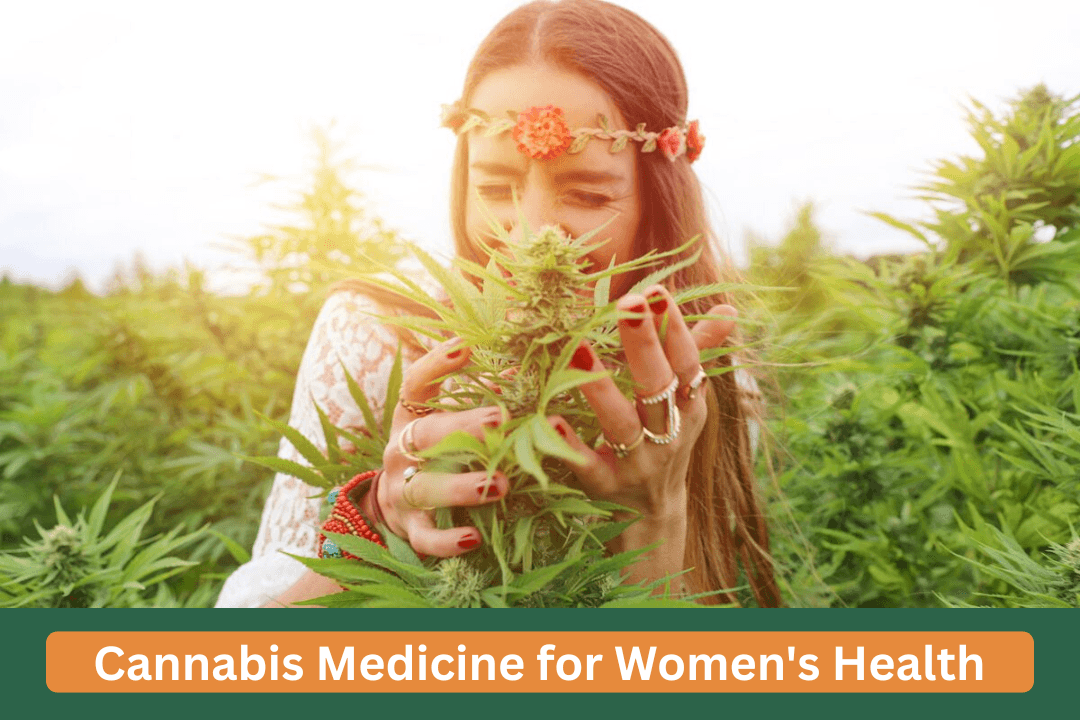
For millions of women worldwide, endometriosis means living with chronic pain and limited treatment options. Many have turned to cannabis products for relief, often with inconsistent results and uncertain quality. But one London-based biotech firm is working to change that through rigorous pharmaceutical research.
The Endometriosis Challenge
Endometriosis affects approximately 10% of women of reproductive age globally-a staggering number representing millions of people living with a condition that has no cure. The disease occurs when tissue similar to the uterine lining grows outside the uterus, causing severe pain and other complications.
Despite its prevalence, endometriosis remains dramatically under-researched. According to recent estimates, only 0.038% of the National Institutes of Health research budget goes toward studying this condition.
This research gap has left women with few options beyond symptom management, driving many to seek alternative treatments-including CBD products.
When Patients Lead the Way
Melissa Sturgess, CEO of Ananda Pharma, didn't set out to develop a cannabis-based medicine for endometriosis. The opportunity found her.
"We were approached by specialists who were being asked by patients to prescribe CBD for their chemotherapy-induced neuropathy and for endometriosis," Sturgess explained. "They came to us looking for a formulation that could be used in clinical trials."
This patient-driven demand revealed a crucial insight: women wanted cannabis-based treatment, but they needed it to meet pharmaceutical standards of safety, efficacy, and consistency.
For Sturgess, the path forward became clear. Broad patient access to medical cannabis would only come through formal regulatory approval-not through the patchwork of over-the-counter CBD products or state-regulated medical marijuana programs.
The Pharmaceutical Approach
Ananda Pharma is pursuing full drug-approval pathways in the U.K., where the National Health Service (NHS) provides a different landscape than the U.S. healthcare system.
Unlike in America, where insurance coverage for marijuana treatments remains largely unavailable, the NHS does cover medical cannabis-but only for a very limited number of conditions, and only when treatments have been proven through randomized, controlled trials.
Following the Epidiolex Model
There's precedent for this approach. Epidiolex, the only pharmaceutical-grade, regulator-approved CBD-based drug currently available, demonstrated that medicines derived from naturally sourced cannabinoids can meet full regulatory standards while delivering value for patients and investors.
Building on this success story, Ananda focused its efforts on a single indication: pain associated with endometriosis.
The goal is to advance their lead formulation, MRX-1, into a labeled therapeutic that's both prescribable and reimbursable through the NHS.
The Research Process
Ananda follows a conventional biotech model, complete with:
- Placebo-controlled designs to ensure scientific rigor
- Standardized dosing for consistency and safety
- Measurable endpoints to quantify efficacy
- Regulatory compliance at every stage
This year, the company reached a significant milestone: a healthy volunteer study involving 20 participants dosed under hospital supervision. The findings from this early-stage clinical testing will inform a larger patient trial planned for 2026.
If successful, MRX-1 could become the first cannabinoid-based prescription medicine developed specifically for women's health pain.
Why This Matters
The significance extends beyond endometriosis treatment. Ananda's work represents a broader shift in how cannabis medicine can-and should-develop.
The Credibility Gap
For years, the cannabis industry has made health claims based more on anecdotal evidence than rigorous scientific proof. While many patients report benefits, the lack of standardized research has limited mainstream medical acceptance.
"Credibility depends on proof, not promises," Sturgess emphasized. This philosophy is becoming harder for the industry to ignore as investors demand measurable results and regulators require evidence-based claims.
Lessons for the Industry
Ananda's approach offers valuable insights for other cannabis companies:
- Focus matters: Rather than pursuing multiple indications, concentrate resources on proving efficacy for one specific condition
- Standards count: Pharmaceutical-grade rigor builds credibility with regulators, healthcare providers, and patients
- Data drives decisions: Measurable outcomes and transparent research are becoming competitive differentiators
- Patient needs come first: Let patient demand and medical need guide product development
The Challenges Ahead
The path to regulatory approval is neither quick nor cheap. Pharmaceutical development requires significant capital, patience, and expertise. For cannabis companies, federal prohibition in the U.S. adds additional complexity, shutting most cannabis-based treatments out of the FDA approval process.
However, as regulators in the U.S. and abroad move toward clearer medical pathways for cannabinoids-and as federal rescheduling discussions continue-the landscape may be shifting.
Sturgess reports that Ananda's progress is already resonating with investors who recognize the potential of evidence-based cannabis medicine.
A Vision for the Future
When Sturgess attended a women and wellness-focused conference earlier this year, the response to Ananda's work was overwhelming.
"Everyone said, 'Finally, someone's doing the work,'" she recalled.
That reaction speaks to a deep need-not just for endometriosis treatment, but for cannabis medicine that meets the standards patients, doctors, and healthcare systems require.
Advice for the Industry
Sturgess's guidance for cannabis operators is straightforward: "Stay focused. There are a lot of shiny distractions in this space, but staying true to your mission and the data is everything."
As the cannabis industry matures, this focus on evidence over hype, proof over promises, may determine which companies thrive and which fade away.
For the millions of women living with endometriosis and other under-treated conditions, that shift can't come soon enough.

About Dr. Sarah Johnson
Health & Science Contributor
Dr. Johnson is a researcher and medical writer focusing on the therapeutic potential of cannabinoids. She breaks down complex scientific studies for everyday readers.
Related Articles

Cannabis and Romance: New Study Reveals Surprising Gender Differences
Israeli researchers found that high-intensity cannabis use correlates with greater romantic satisfaction for women, while men experience the reverse-a gender gap that warrants further investigation.

Legalization Was Right, Now Regulation Must Catch Up
America’s cannabis problem isn’t legalization , it’s legalization without maturity. Prohibition failed, but hands-off commercialization has created new risks. The solution isn’t reversal; it’s responsible regulation, education, and accountability.

Seth Rogen on THC Drinks: 'Someone Is Very Threatened'
In a candid interview, actor and Houseplant founder Seth Rogen weighs in on the push to restrict THC beverages, cannabis culture evolution, and his role in normalizing marijuana use.