
The End of an Era: Federal Hemp THC Ban Reshapes the Industry
Senate closes the 2018 Farm Bill loophole, threatening a $28 billion industry

2025-11-23 · 6 min read
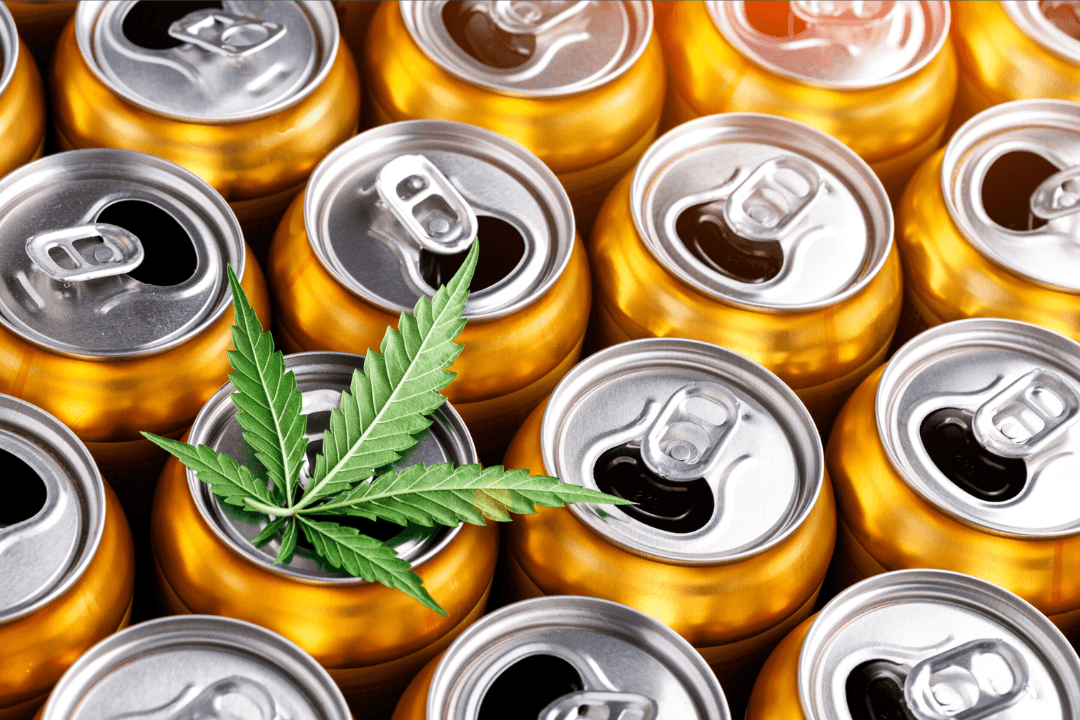
In a move that will fundamentally reshape America's cannabis landscape, the U.S. Senate has voted to close what many called the "hemp loophole" created by the 2018 Farm Bill. The decision threatens to eliminate nearly all hemp-derived THC products currently sold across the country.
What Just Happened?
Late Monday evening, the Senate passed spending legislation that includes a redefinition of "hemp" to exclude the numerous intoxicating products that have flourished since 2018. The vote-60 to 40-came despite a passionate last-minute effort by Kentucky Senator Rand Paul to halt the measure.
"This is legislation that would be prohibition," Paul declared during his Senate floor speech, warning that the new rules would force the destruction of every hemp plant in the country.
The legislation now moves to the House of Representatives, where a vote could come as early as this week. With President Trump reportedly supporting the ban, opposition faces an uphill battle.
Understanding the New Definition
The revised language redefines hemp to include only cannabis plants and derivatives with a total THC concentration (including THCA) of no more than 0.3% on a dry weight basis. This seemingly small change has massive implications.
What Gets Banned
The new definition specifically excludes cannabinoids that:
- Cannot be naturally produced by the cannabis plant (like HHC)
- Were synthesized or manufactured outside the plant (like THC-P)
- Exceed the 0.3% total THC threshold (including THCA flower)
This effectively eliminates the THCA loophole that enabled online sales of intoxicating flower products outside state-regulated marijuana channels-a market worth hundreds of millions of dollars annually on its own.
The Industry Impact
The numbers tell a sobering story. According to the U.S. Hemp Roundtable, the hemp industry has grown to an estimated $28.4 billion, employing hundreds of thousands of Americans. The new legislation, which takes effect 365 days after passage, threatens to dismantle much of this economic ecosystem.
"The new limits will eliminate 100% of the hemp products in our country," Senator Paul warned. "Every plant in the country will have to be destroyed."
Small Businesses Bear the Brunt
While major retailers like Total Wine & Spirits and Circle K will feel the impact, small businesses face the most severe consequences. Take Omar Ansari, president of Minneapolis-based Surly Brewing Co., who told Minnesota Public Radio: "The rug just got pulled out from under us."
Many small brewers had pivoted to hemp THC beverages in response to changing consumer preferences, only to now face an uncertain future.
The Politics Behind the Ban
The push to close the hemp loophole gained momentum throughout 2025, driven by an unlikely coalition:
- State Attorneys General: 39 AGs called on federal lawmakers to address the issue in late October
- Regulated Cannabis Industry: Companies like Jushi Holdings lobbied hard for the ban, viewing unregulated hemp products as unfair competition
- Alcohol Industry: Major alcohol lobbies added their voices to the chorus
Ironically, the ban represents a rare federal victory for marijuana multistate operators, even as it hurts small craft brewers who had embraced hemp beverages.
The Opposition's Perspective
Hemp advocates argue the process was fundamentally unfair. "What happened was sneaky, and it's not how this country was supposed to work," said Steven Brown, CEO of Minnesota-based Nothing But Hemp.
"Now that we've proven there's a demand, big liquor and medical marijuana see us as a threat and would rather shut us down than compete fairly," he added.
What Happens Next?
Operators in the hemp space should prepare for significant changes. Legal experts advise companies to:
- Assess inventory and supply chains to understand exposure
- Review contracts with suppliers and retailers
- Explore compliance pathways under the new definition
- Consider pivoting to compliant product lines
- Monitor state-level responses as some states may create their own regulations
While the federal ban appears likely to pass, states retain the authority to regulate these products within their borders, potentially creating a patchwork of different rules across the country.
A Turning Point
Whether you view this as necessary regulation or industry-killing prohibition, there's no denying it marks a turning point. The wild west era of hemp-derived intoxicating products appears to be ending, replaced by a more restrictive-and for many, more uncertain-future.
For the hundreds of thousands employed in the hemp sector, the coming year will be critical as they navigate this dramatic regulatory shift and determine what, if anything, remains of the industry they helped build.

About Marcus Chen
Culture Writer
Marcus explores the intersection of cannabis, art, and music. His work highlights the creative communities shaping the modern cannabis landscape.
Related Articles
Delaware's Cannabis Zoning Dilemma: Progress or Political Theater?
After the governor vetoed legislation to override local zoning restrictions, Sussex County has amended its rules for cannabis businesses-but the changes may be too limited to make a real difference.
Deception and Democracy: The Fight to End Cannabis in Massachusetts
A ballot initiative seeking to end Massachusetts' $1.6 billion cannabis industry faces accusations of using deceptive signature-gathering tactics-and there's little anyone can do about it.
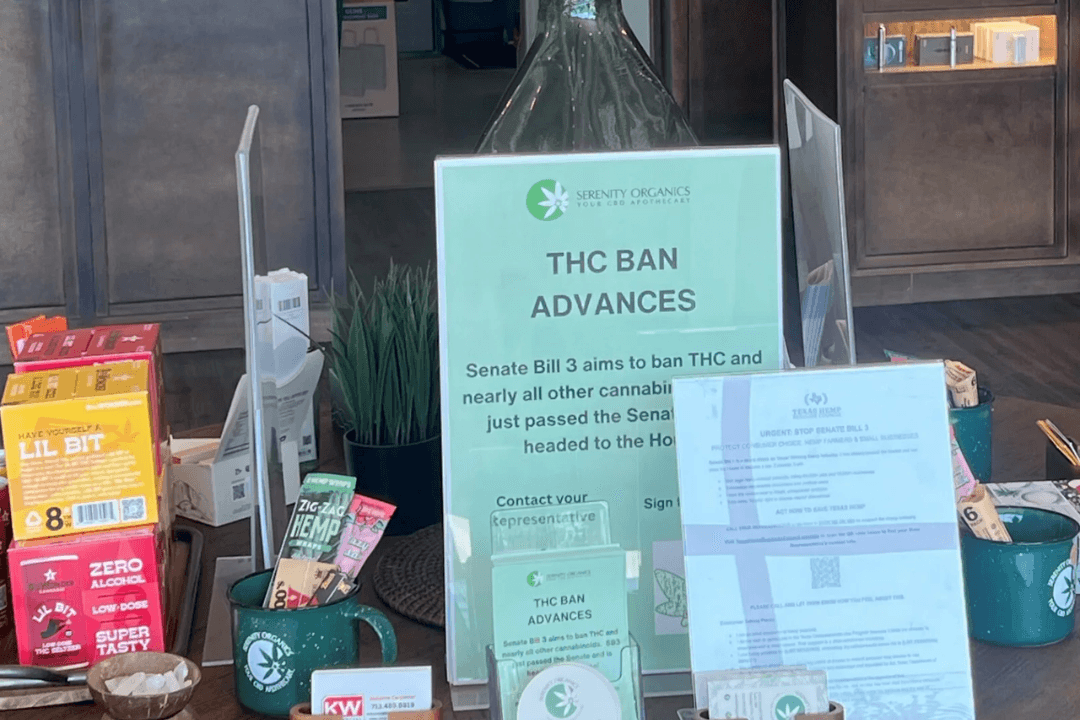
Minnesota Lawmakers Push for Hemp THC Ban Exemption
Rep. Ilhan Omar and other Minnesota legislators are working to secure exemptions from the federal hemp THC ban for states that have already established regulatory frameworks-but face pushback from prohibition advocates.