Cannabis vs. Whiskey: How Marijuana Is Reshaping the Spirits Industry
Heritage Distilling scales back operations as consumers increasingly choose cannabis over alcohol

2025-11-23 · 5 min read
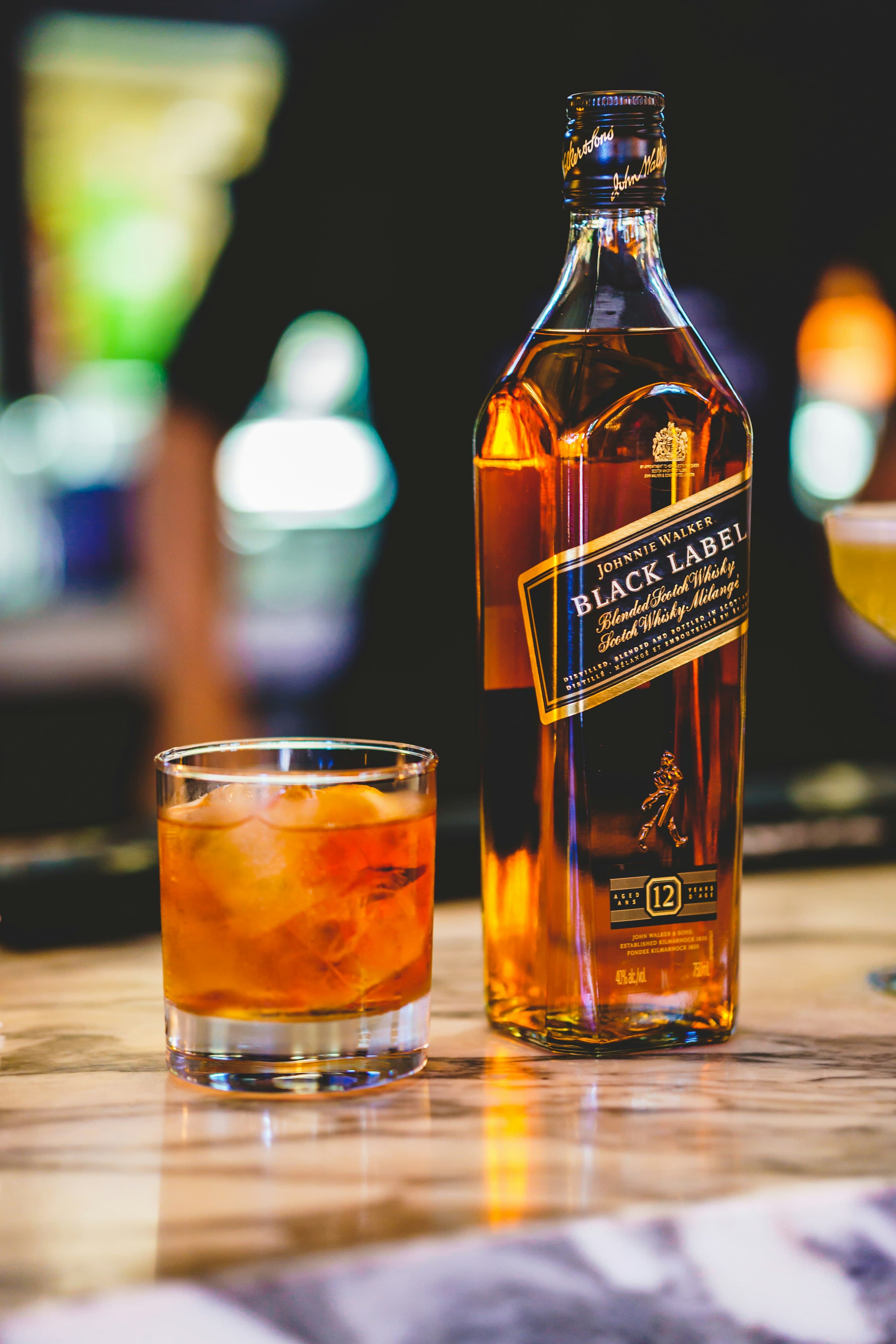
The cannabis industry's impact on traditional alcohol sales is no longer just a trend to watch-it's forcing real business decisions. Heritage Distilling Company, a respected independent craft spirits producer, is scaling back operations, and marijuana's growing popularity is a significant factor.
A Business Model Shift
Heritage Distilling, which operates distillery locations in Oregon and Washington-both states where cannabis is legal-announced this week that it's closing tasting rooms, transitioning to contract production partnerships, and refocusing on direct-to-consumer sales.
The company cited four key factors driving this consolidation. Among them: "consumer shifts toward reduced alcohol consumption and alternative products, including marijuana."
"For more than a decade, Heritage Distilling tasting rooms were places for friends and family to gather to enjoy each other's company and great spirits," said Jennifer Stiefel, the company's president. The decision to close these community spaces reflects the changing landscape of how Americans choose to socialize and unwind.
The Alcohol Industry Feels the Pressure
Heritage Distilling isn't alone in recognizing cannabis as a competitive threat. Earlier this year, the CEO of Brown-Forman Corporation-the company behind iconic brands like Jack Daniel's and Woodford Reserve-acknowledged that marijuana's rise as an alcohol alternative is putting "pressure" on the spirits sector.
This pressure has translated into action. Recent congressional lobbying reports reveal that major alcohol companies including Anheuser-Busch, Bacardi North America, and Moët Hennessy USA are actively engaged in federal lobbying efforts to influence cannabis policy, particularly around THC beverages.
The message is clear: the alcohol industry views cannabis, especially in beverage form, as a serious competitive concern worth significant lobbying investment.
The Data Behind the Shift
Multiple recent surveys and market analyses paint a picture of changing consumer preferences:
Cannabis as the Healthier Choice
A poll released earlier this month found that a majority of Americans now view marijuana as a "healthier option" compared to alcohol. The same survey revealed that most respondents expect cannabis to be legal in all 50 states within the next five years.
THC Beverages Changing Drinking Habits
Another recent survey delivered even more striking findings: four in five adults who consume cannabis-infused beverages report reducing their alcohol intake. More than 20% have quit drinking alcohol entirely.
Generational Preferences
Younger Americans are leading this shift. One in three millennials and Gen Z workers now choose THC drinks over traditional alcoholic beverages for after-work socializing and happy hours, according to a poll of 1,000 young professionals.
Mainstream Retail Embraces Cannabis Drinks
The cannabis beverage market is expanding beyond dispensaries into mainstream retail channels:
- Target recently soft-launched THC-infused beverage sales at select Minnesota locations
- A leading alcohol industry group added a THC drink manufacturer to its membership roster for the first time
- Veterans of Foreign Wars (VFW) entered a groundbreaking partnership with a hemp THC beverage company, with drinks available at VFW posts nationwide
This mainstream acceptance represents a significant cultural shift-one that traditional alcohol companies are scrambling to address.
More Than Just Market Competition
For Heritage Distilling, the cannabis factor was one of several challenges. The company also cited tax and regulatory pressures in Oregon and Washington as contributing to its decision.
But the inclusion of consumer preference shifts toward marijuana alongside these traditional business concerns signals something important: cannabis is now a standard consideration in alcohol industry strategic planning, not an edge case or future possibility.
What This Means for Both Industries
The Heritage Distilling announcement is a tangible example of cannabis legalization's disruptive force on established industries. It demonstrates that:
-
Consumer behavior is changing faster than many predicted: The shift from alcohol to cannabis isn't a distant future scenario-it's happening now and affecting business decisions.
-
Cannabis beverages are the key battleground: THC drinks offer a familiar consumption method that appeals to alcohol consumers, making them particularly disruptive to the spirits industry.
-
Mainstream acceptance is accelerating: When major retailers like Target and organizations like VFW embrace cannabis beverages, it signals a fundamental shift in cultural acceptance.
-
The alcohol industry is responding aggressively: Lobbying efforts and membership changes show that alcohol companies are taking the cannabis threat seriously.
The Road Ahead
Heritage Distilling's pivot away from tasting rooms and toward direct-to-consumer sales represents one adaptation strategy. Other alcohol companies may choose different paths-some might fight cannabis expansion through lobbying and regulation, while others may embrace it by entering the cannabis beverage market themselves.
What's certain is that the relationship between cannabis and alcohol will continue to evolve. As legalization expands and social acceptance grows, more companies across both industries will need to make strategic decisions about how to navigate this new competitive landscape.
For consumers, the expanding options represent greater choice in how they choose to relax, socialize, and enjoy themselves. Whether that's with a craft whiskey or a THC-infused beverage increasingly depends on personal preference rather than legal restrictions.
The question for businesses is no longer whether cannabis will impact the alcohol industry, but how to adapt to a market where it already has.

About Marcus Chen
Culture Writer
Marcus explores the intersection of cannabis, art, and music. His work highlights the creative communities shaping the modern cannabis landscape.
Related Articles
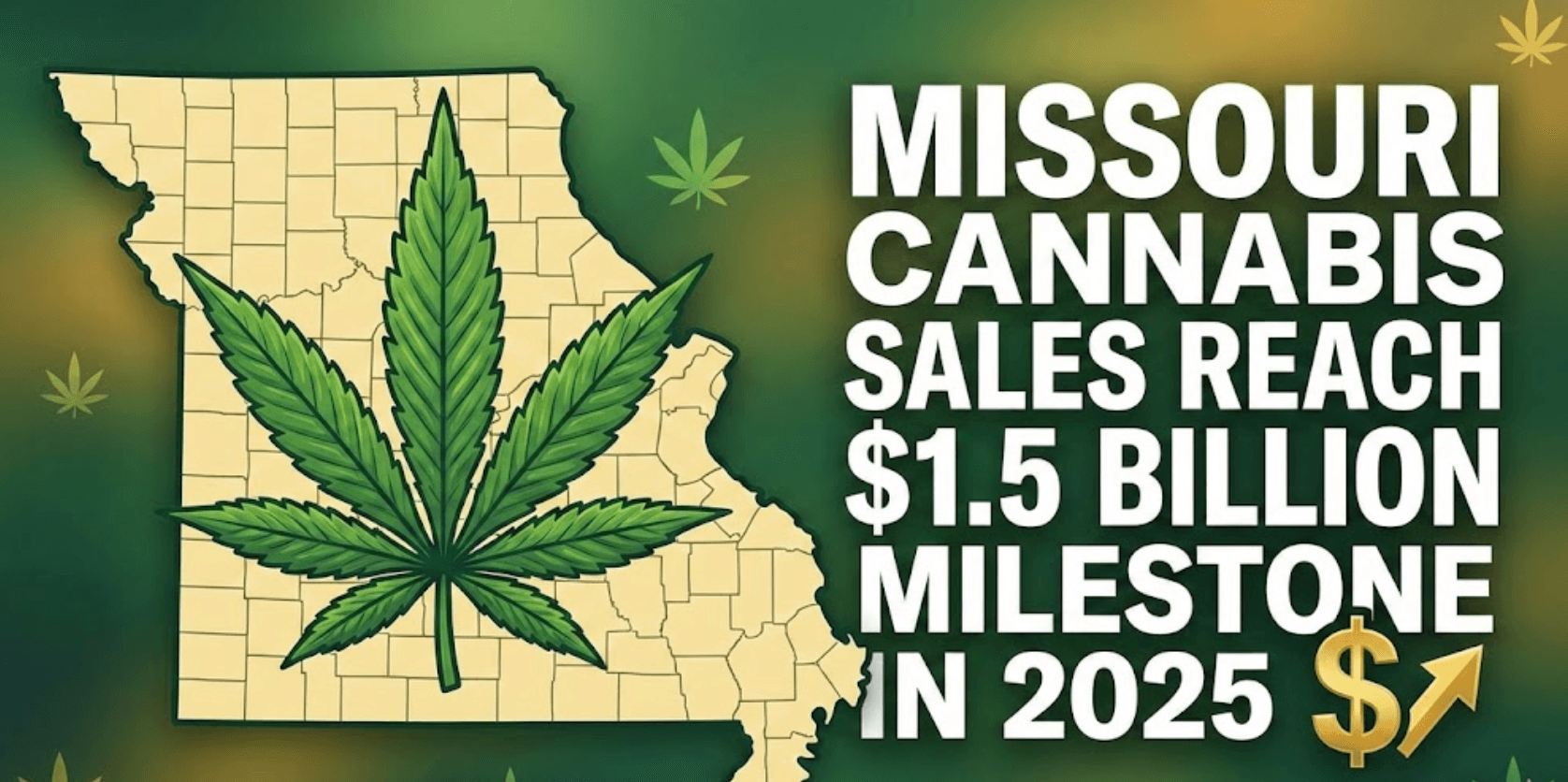
Missouri Cannabis Sales Reach $1.5 Billion Milestone in 2025
Missouri’s legal cannabis market posted another record year in 2025, generating $1.5 billion in sales and more than $255 million in tax revenue as adult-use marijuana continued to dominate the market.
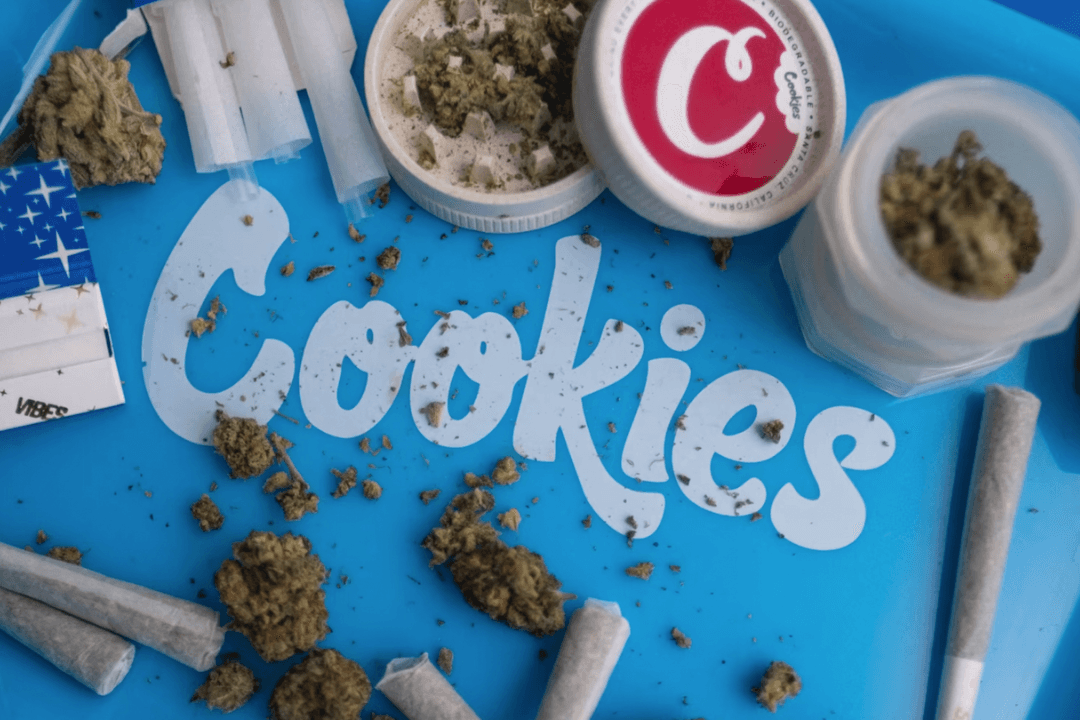
The Fall of a Cannabis Giant: Cookies Faces Financial Collapse
Once valued at $250 million and featured on Forbes' cover, the Cookies brand now faces an existential crisis as court orders divert its revenue streams to settle an $8.4 million judgment.

Breaking Ground: Cannabis Medicine for Women's Health
Millions of women suffer from endometriosis with limited treatment options. Ananda Pharma is taking a pharmaceutical approach to developing the first regulator-approved CBD treatment for this painful condition.