
Ohio Charts Its Own Course on Hemp THC Beverages
State creates temporary exemption for cannabis drinks amid federal crackdown

2025-11-23 · 4 min read
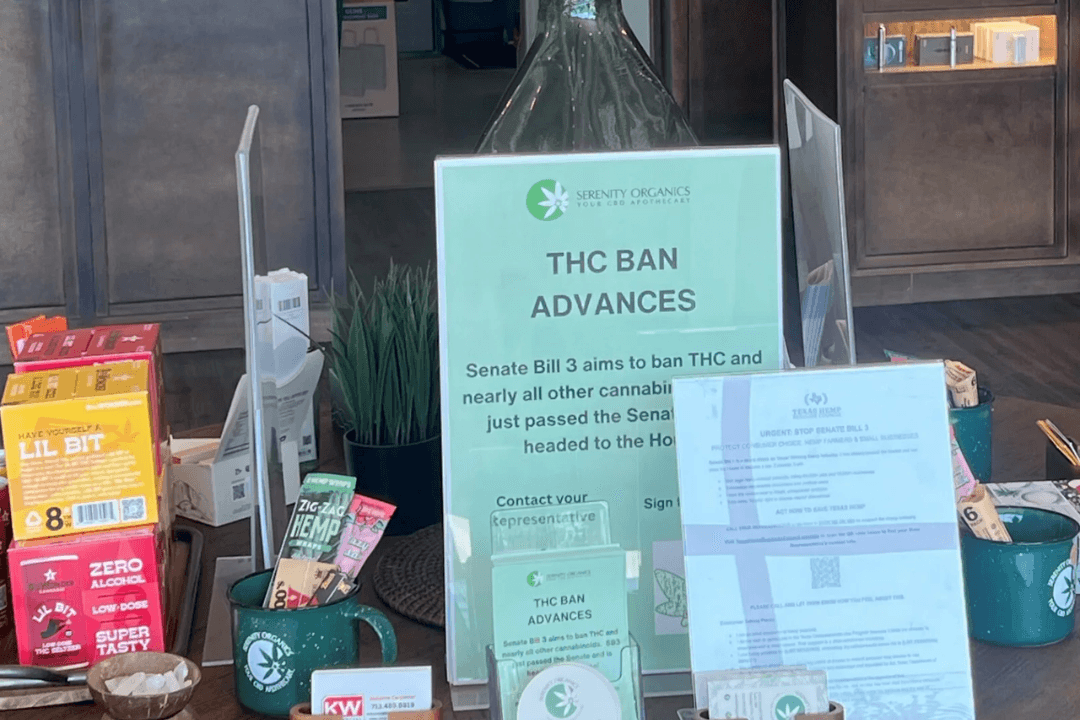
As states scramble to respond to the federal government's closure of the hemp THC loophole, Ohio is taking a distinctive approach that could serve as a model-or a cautionary tale-for other states navigating this regulatory upheaval.
A Nuanced Response
Ohio lawmakers are moving to ban most intoxicating hemp-derived products outside of licensed marijuana dispensaries. But there's a notable exception: hemp-derived THC beverages get a temporary pass.
Senate Bill 56, which passed the House 51-34 in the early hours of Thursday morning, creates a framework that legalizes "drinkable cannabinoid products" containing up to 5 milligrams of THC per serving. The legislation now awaits a final Senate vote expected in December.
This means that while delta-8 THC gummies and similar products will be restricted to licensed dispensaries, hemp THC beverages can continue to be sold at mainstream retailers, bars, and restaurants-at least through the end of 2026.
The Details Matter
The legislation includes specific requirements for hemp THC beverages:
- Dosage limits: Maximum 5mg THC per serving
- Clear labeling: THC content must be prominently displayed
- Retail flexibility: Can be sold outside the licensed cannabis system
- Sunset provision: The exemption expires December 31, 2026
Aligning with Federal Changes
SB56 is designed to harmonize Ohio state law with recent federal redefinitions of hemp. Under the new federal rules, hemp-derived THC products can't contain more than 0.4 milligrams per container-a standard that would eliminate nearly all current products.
By creating state-level regulations that differ from federal law, Ohio is asserting its authority to regulate these products within its borders, even as federal restrictions tighten.
A Temporary Runway
The 13-month window for hemp THC beverages isn't arbitrary. It reflects a pragmatic recognition that this market has grown rapidly and serves consumer demand, while also acknowledging the regulatory uncertainty ahead.
Ohio lawmakers have reportedly committed to revisiting the issue before the deadline, signaling potential for a more permanent regulated market if federal law allows.
The Federal Wild Card
The state's approach depends partly on how federal hemp regulations evolve. U.S. Rep. Nancy Mace of South Carolina is already circulating legislation to undo the federal ban on certain hemp products.
Meanwhile, Ohio state Rep. Tex Fischer is lobbying the state's congressional delegation to rescind the federal restrictions entirely.
Beyond Beverages: Adult-Use Updates
SB56 also makes important changes to Ohio's existing adult-use marijuana program:
Tax Revenue Distribution: The state can finally begin disbursing nearly $100 million in tax revenue to municipalities hosting adult-use stores-money that's been in limbo.
Consumption Restrictions: Public smoking and vaping of cannabis is now explicitly outlawed. The only legal consumption location is a private residence.
These provisions address practical concerns that emerged as Ohio's adult-use market developed following legalization.
What This Means for the Industry
For beverage makers and retailers, Ohio's approach offers both opportunity and uncertainty:
The Good News: A 13-month runway provides time to build market presence, establish consumer relationships, and demonstrate the viability of a regulated hemp beverage market.
The Challenge: The sunset provision means businesses must plan for multiple scenarios-permanent regulation, prohibition, or something in between.
The Strategy: Smart operators will use this window to:
- Build strong compliance systems
- Gather data on consumer preferences and safety
- Engage with lawmakers to shape future regulations
- Prepare contingency plans for different regulatory outcomes
A Model for Other States?
Ohio's bifurcated approach-restricting most hemp THC products while creating a pathway for beverages-could influence how other states respond to federal changes.
The logic is compelling: beverages offer several advantages over other hemp THC products:
- Predictable dosing: Liquid formulations allow for precise THC measurement
- Controlled onset: Effects are more predictable than edibles
- Familiar format: Consumers understand how to consume beverages responsibly
- Quality control: Beverages are easier to test and regulate than some other formats
The Bigger Picture
Ohio's decision reflects a broader tension in cannabis policy: the gap between federal restrictions and state-level recognition of consumer demand and market realities.
As the $28 billion hemp industry grapples with new federal limitations, state-level innovations like Ohio's beverage exemption may point toward a future where different product categories face different regulatory frameworks.
Whether this approach proves sustainable depends on factors beyond Ohio's control-including federal enforcement priorities, congressional action, and how other states respond to similar pressures.
For now, Ohio has charted a middle course that acknowledges both the concerns driving federal restrictions and the market forces that created the hemp THC industry in the first place. Whether that balance holds through 2026 and beyond remains to be seen.

About Marcus Chen
Culture Writer
Marcus explores the intersection of cannabis, art, and music. His work highlights the creative communities shaping the modern cannabis landscape.
Related Articles
Delaware's Cannabis Zoning Dilemma: Progress or Political Theater?
After the governor vetoed legislation to override local zoning restrictions, Sussex County has amended its rules for cannabis businesses-but the changes may be too limited to make a real difference.
The End of an Era: Federal Hemp THC Ban Reshapes the Industry
The U.S. Senate has passed legislation that will effectively ban most hemp-derived THC products by late 2026, marking a dramatic shift for an industry that employs hundreds of thousands.
Deception and Democracy: The Fight to End Cannabis in Massachusetts
A ballot initiative seeking to end Massachusetts' $1.6 billion cannabis industry faces accusations of using deceptive signature-gathering tactics-and there's little anyone can do about it.